Two menus, one lost customer
The restaurant was still open. The welcome had already gone home. Peter Riggs was waiting for a takeaway order at a sushi restaurant when a young couple asked for a table, roughly half an hour before closing. The hostess warned them they would have to be quick. They offered to eat somewhere else. She thanked them and put the menus down.
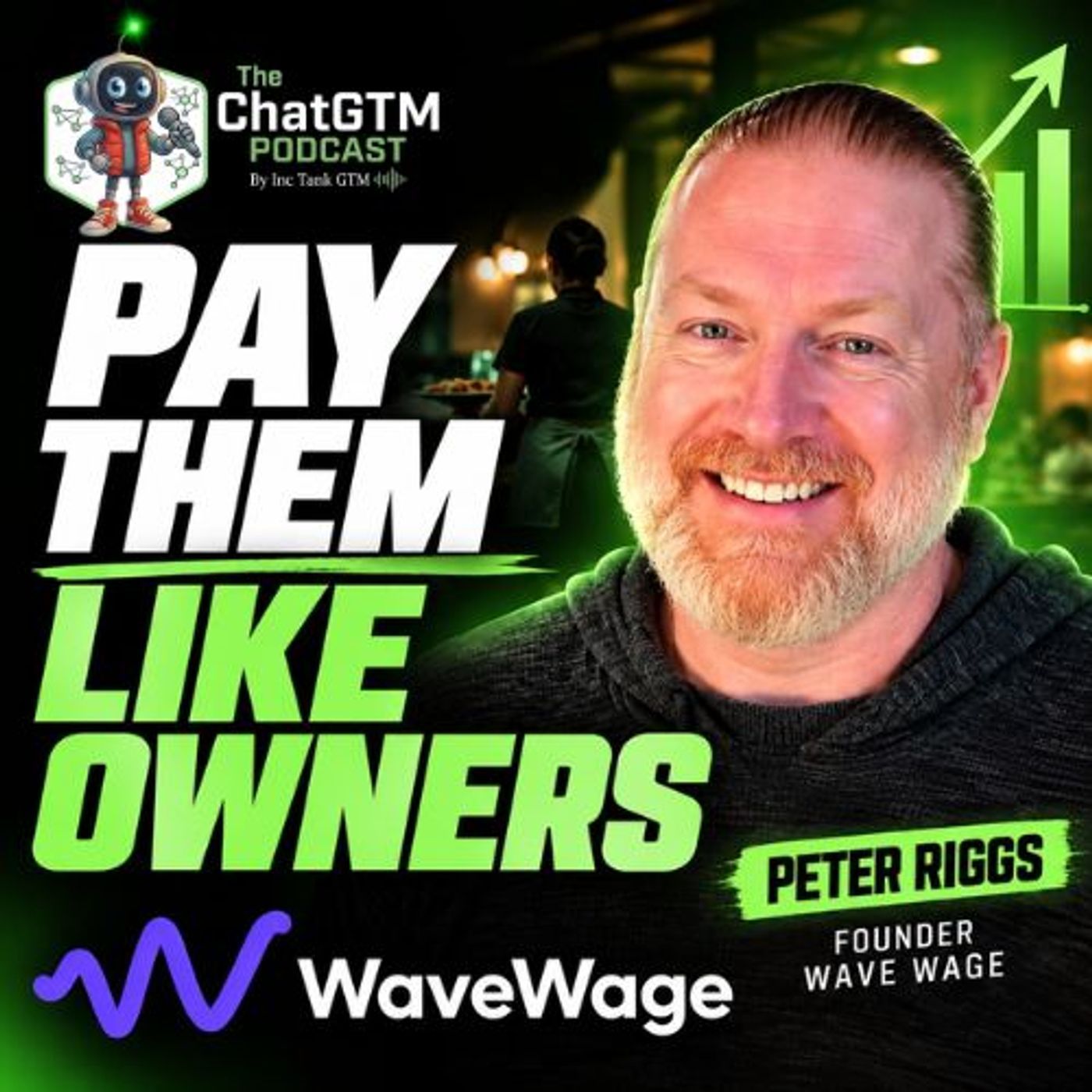
Riggs tells the story in his ChatGTM conversation with Michael Beck and Chad Horn because the exchange exposed a problem that a better sales report would never fix on its own. The employee saw more work between her and the end of the night. The operator would have seen revenue walking out. Both were responding to the business as it appeared from where they stood.
The couple, meanwhile, had no reason to separate the employee from the restaurant. They would remember being turned away by the brand. A closing shift can spend a marketing budget rather efficiently without touching a credit card.
Give the crew a reason to welcome the sale
That encounter helped inspire WaveWage, the performance-pay platform Riggs founded after years as a restaurant operator. He describes its purpose as connecting hourly employees to sales performance during a defined period. When the team helps create additional revenue, the team can share in the upside.
His closing-hour example starts with costs the restaurant is already carrying. The building is open, the equipment is running, and the crew is on shift. An additional order brings additional costs, including food and packaging, but Riggs argues that the remaining contribution can create room for an employee reward. The actual economics still have to work at that restaurant. He describes caps and profitability thresholds, rather than a promise that every extra sale should trigger an unrestricted payout.
The idea also extends beyond the end of the night. Riggs describes the sudden arrival of a sports team: too late to call in another employee, but early enough to make the existing crew's shift substantially harder. Sharing some of that upside gives the team a different reason to respond to the rush. The reward follows the people doing the work across the shift.
An incentive employees cannot see is hard to trust
A bonus calculation hidden until payday does little to help someone understand the next decision. Riggs describes an interface that shows employees which rules are active, how close they are to a target, and what they have potentially earned. That visibility connects a behavior on the floor to an outcome an employee can recognize.
There is a trap here. Reward one number too aggressively and people may protect that number at the expense of everything around it. Riggs discusses safeguards, operator-controlled rules, and the need to avoid creating the wrong incentives. He also describes recognition for contributions that are harder to tie directly to sales, including accuracy and dependable attendance.
For a restaurant considering a similar approach, the useful question is what a determined employee could do to win the reward while making the guest experience worse. Ask it before launch. An incentive deserves the same skeptical inspection as a new menu item: how does it behave under pressure, and who has to clean up when it goes wrong?
The pilot has to prove the behavior
Riggs is careful about the distance between a workable calculation and a workable operation. In the conversation, he describes pilots intended to examine employee behavior, morale, customer experience, order volume and ticket size. Those outcomes take observation. A model can explain how a bonus should work without proving that it caused the next sale.
He also rejects the idea that incentives can repair missing management. Training and clear expectations still have to exist. Otherwise, the restaurant is asking a reward system to perform the duties of a manager, with less context and considerably worse judgment about why someone is having a difficult shift.
That suggests a disciplined starting point for operators: choose a specific behavior, establish what happens today, and watch what changes after the incentive begins. Keep the guest experience in the review. More revenue is a poor victory if it comes from pressure that makes a customer reluctant to return.
A working product still needs a place in the shift
The conversation reaches beyond compensation when Riggs discusses restaurant software. He recalls being shown dashboards that could reveal almost everything, except who would find the time to sit in front of them. A restaurant can believe a product works and still lack the people or attention required to use it.
WaveWage, as Riggs describes it, sits between point-of-sale and payroll systems, applying the operator's settings and caps before sending bonus information onward. His broader test for technology is practical: can an operator put it to work inside the business they actually have? A founder's demonstration rarely includes someone calling out sick while a delivery driver asks where the order went.
The closing-shift story leaves leaders with a useful place to look. Before asking employees to act like owners, examine what the next good decision earns them. If welcoming another table benefits everyone except the people who must serve it, another motivational speech will have a difficult evening.