The onion is also an operating decision
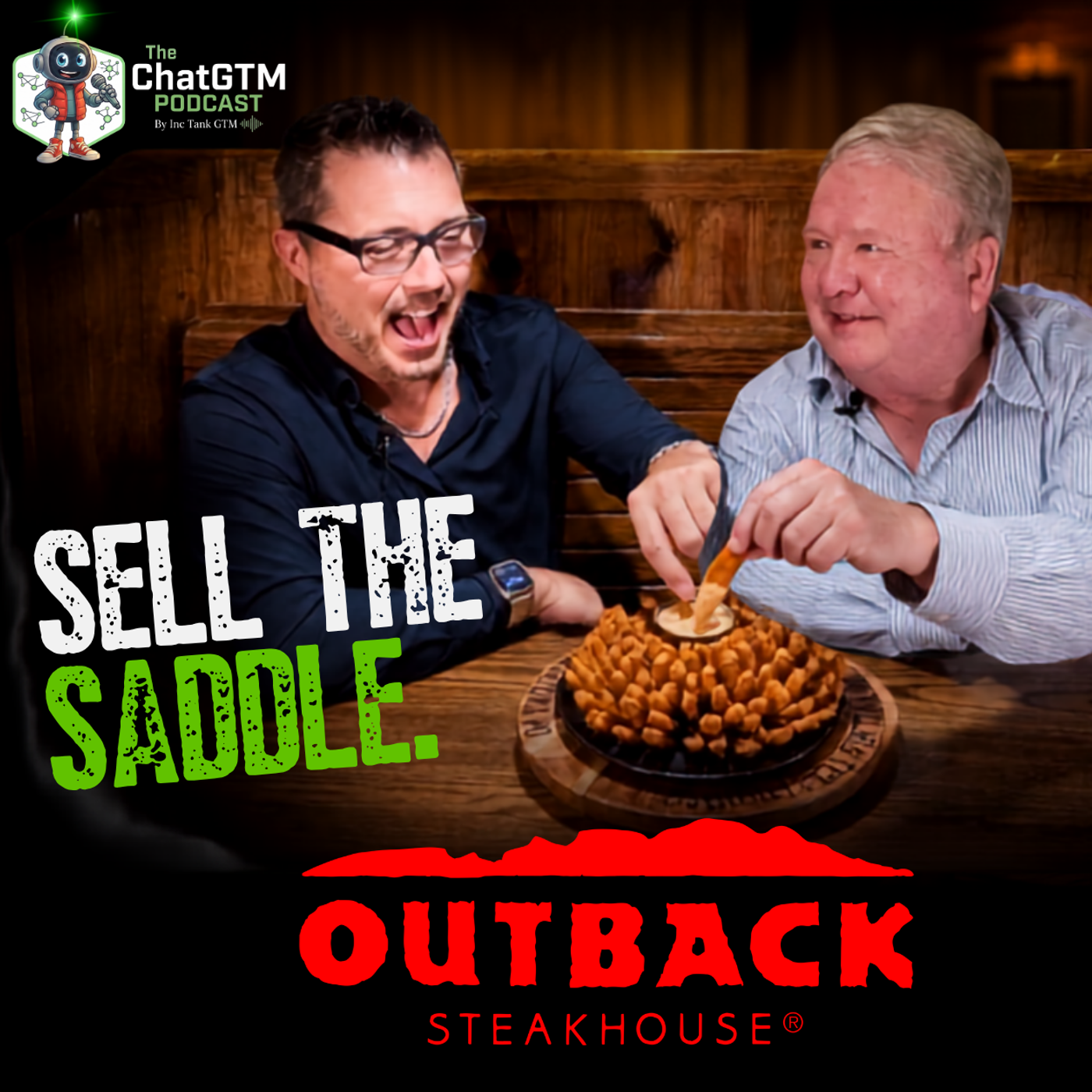
An appetizer can become a restaurant's calling card. It can also occupy the fryer everyone else needs. Tim Gannon's conversation with Michael Beck, recorded at the original Outback Steakhouse, moves comfortably between those two realities. There is the Bloomin' Onion guests recognize, and there is the kitchen that must deliver it while the rest of dinner keeps moving.
Gannon explains that producing the dish required more than a recipe. The kitchen needed the capacity, equipment and timing to make it consistently. A rush of onion orders could consume fryer space, and a late appetizer could delay the dining experience that followed. The signature item had to work inside the restaurant, not simply look good in an advertisement.
That connection between a compelling promise and the machinery behind it runs through the episode. Gannon talks about risk, partners, marketing and international expansion. The useful thread for operators is how often those subjects meet at the same question: can the team reliably deliver what makes people want to come here?
Give the idea an operational partner
Gannon brought deep culinary experience and a collection of recipes from his years in New Orleans. He credits Bob Basham with the operating perspective and kitchen design that helped translate the food into a repeatable guest experience. He describes Basham watching the dining room closely enough to judge whether the transition from salad to entree was happening as intended.
The observation matters because founders can fall in love with the part of a business they know best. A food person sees flavor. A marketer sees a story people will remember. An operator sees the queue forming between one course and the next. A healthy partnership makes room for all three views before customers experience the consequences of the missing one.
For a team developing a signature offer, a practical exercise is to walk the entire service sequence. What must happen before this item can be delivered? What equipment does it occupy? Where does a surge in demand create a bottleneck? The person who spots that constraint is helping protect the idea. Their objection may be the work that allows it to succeed.
Good food still needs an introduction
Outback's eventual recognition can make the early uncertainty easy to overlook. Gannon recalls a slow beginning, an unpromising location and limited awareness of what an Australian-themed steakhouse was supposed to be. In his telling, having the food right did not automatically give the restaurant an audience.
The response was unusually direct: bring the food to people who could introduce it to others. Gannon describes cooking for radio stations and putting freshly prepared Bloomin' Onions in front of morning hosts. The experience gave them something concrete to talk about. The product and the story traveled together.
The channel has changed, but the underlying discipline remains useful. If your business is unfamiliar, people need more than a name and a promise of quality. They need an understandable reason to try it. A demonstration, tasting or conversation can make an abstract claim tangible, provided the experience they later buy matches the one that earned their attention.
Choose people who can carry the principles
When Beck asks about protecting culture during expansion, Gannon returns to people. He recalls partners in international markets who understood their communities and could express Outback's principles locally. His examples include adapting service and menu presentation to the way guests preferred to eat.
That is a more demanding approach than assuming a familiar sign guarantees a familiar experience. A partner needs enough understanding to make local decisions and enough alignment to preserve the essential promise. Copying visible details is easier than selecting people who know which details can change.
For a growing restaurant or hospitality company, this suggests a better partnership conversation. Ask how the prospective partner would handle a real conflict between speed, cost and guest care. Discuss what they would adapt for their market and what they would protect. Shared enthusiasm is a start; shared judgment is what the operating relationship eventually requires.
Keep the welcome in the system
Gannon's stories include the saddle he sold to fund his move to Tampa, the partners he trusted and the ambitions behind his book, Bloomin' Adventures. Yet his answer about what should survive technological change is remarkably ordinary: guests should feel welcomed, cared for and appreciated.
That gives the bigger story a useful test. The marketing can attract attention, the recipe can create desire, and the operating system can protect consistency. All of it should leave room for the person serving the table to make dinner feel human. A signature dish earns its place when the restaurant can keep that whole promise, even on the busy night when everyone orders it.