The launch is the visible part
A delivery robot rolling onto a stage gives an audience something to photograph. Keeping that robot useful on a restaurant shift requires work that rarely makes the launch video: loading, maintenance, support, route conditions and a plan for the moment something unusual happens.
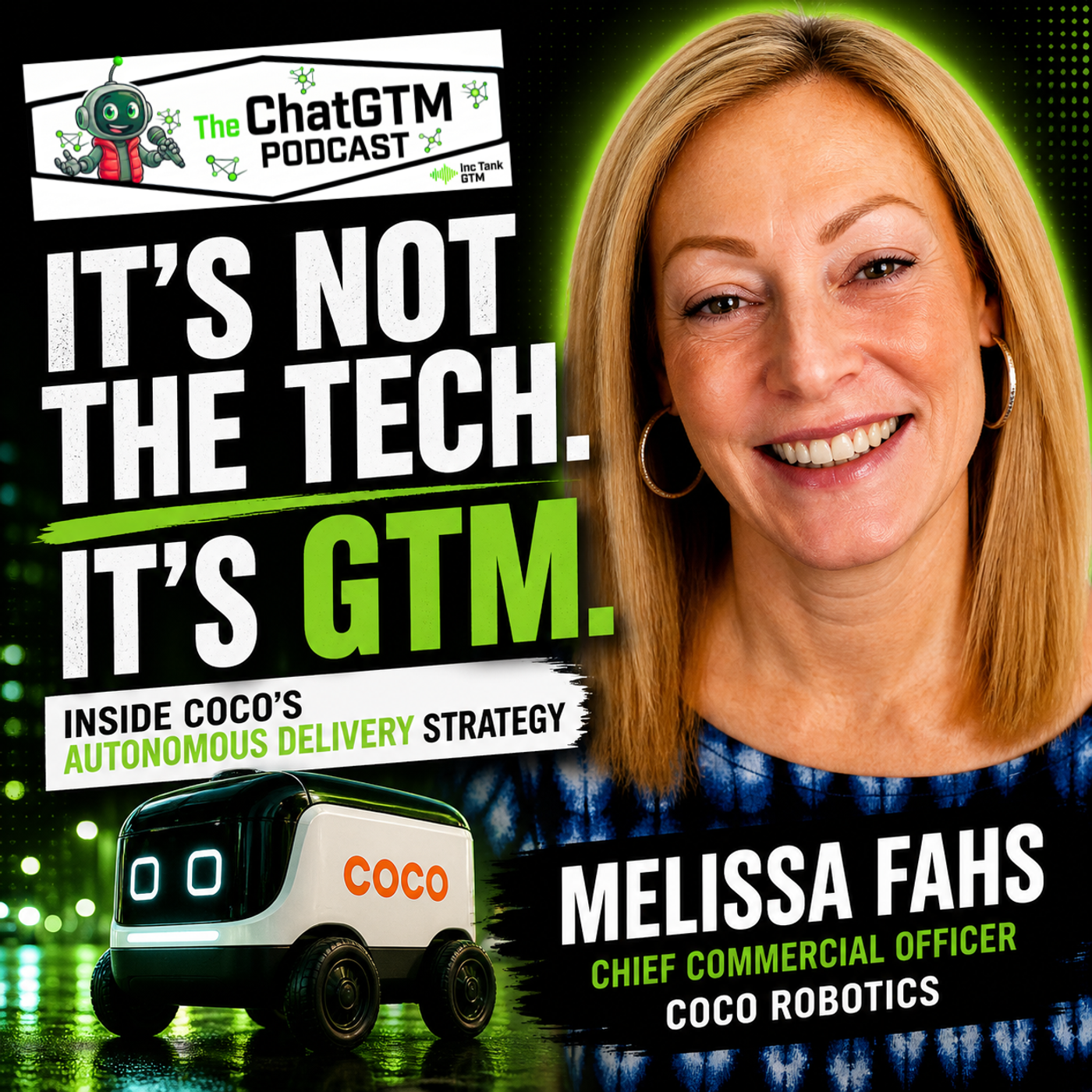
Melissa Fahs brings both perspectives to her ChatGTM conversation with Michael Beck and Chad Horn. She describes the excitement around Coco's newer robot model, then explains the operating details behind last-mile delivery. The technology has to work for the merchant, the recipient and the neighborhood through which it travels.
That makes the restaurant's evaluation more practical than deciding whether robots are interesting. The questions are whether the service fits a particular location, whether the handoff is manageable and whether the support model can deal with real conditions beyond the demonstration.
The food still has to arrive well
Fahs describes the restaurant placing an order into a compartment that stays locked until the recipient retrieves it. She emphasizes presentation, temperature and a direct trip from the restaurant to the customer. These are the same concerns a restaurant has with any delivery method, expressed through a different vehicle.
The operational promise therefore needs to be tested with the restaurant's food. Packaging, loading and retrieval all affect what the guest receives. A menu that travels well in one configuration may need a different approach for a larger order or a drink-heavy purchase.
Fahs also describes a simple loading process for staff. That simplicity matters in a workplace where new employees may need to learn the handoff quickly. Operators should still observe it during a busy period, including what happens when an order is delayed or the person responsible is serving another guest.
The best demonstration follows the food all the way through. Watch preparation, the pickup handoff, the journey and retrieval. The restaurant's reputation arrives in the container with the meal.
Autonomy still comes with people
Fahs explicitly describes keeping humans involved for unusual situations. She discusses escalation processes, local support and the work required to deploy, retrieve, maintain and update robots across markets. The service is more than a vehicle operating by itself.
That is a useful point for restaurant teams evaluating automation. Ask who receives an alert, who can intervene and what the restaurant should tell a customer while an issue is being handled. Understand the responsibilities on both sides of the handoff.
The interview also discusses connectivity and changes intended to improve resilience. Those details reinforce the need to test exceptions, rather than treat a successful routine trip as proof that every situation is covered. A credible operating model explains its limits as clearly as its strengths.
The neighborhood is part of the rollout
Fahs describes city-by-city engagement and says Coco seeks relationships with local stakeholders, including aldermen in Chicago. Her emphasis is on understanding the community and being welcomed into it, rather than assuming that a technical deployment settles every practical concern.
Sidewalks and streets already serve many people with different needs. The restaurant may see a delivery channel while a neighbor sees a new object on a familiar route. Listening to those perspectives is part of introducing the service responsibly.
For a multi-location brand, that also argues against assuming every store is an equivalent candidate. Fahs discusses selecting suitable locations rather than treating a chain-wide rollout as the only measure of progress. Density, service area and local operating conditions can make one location a more useful learning environment than another.
Start with a place where the team can observe the whole process. Record questions from employees and recipients, identify recurring exceptions and use that evidence to decide what should change before expansion.
Separate the ambition from the invoice
Fahs connects robot delivery with an ambition to make the service more accessible and affordable. She also notes that Coco works through delivery partners and does not control every price charged in that system. That qualification belongs beside any discussion of potential savings.
A restaurant should evaluate its actual terms and outcomes: the cost of the channel, the orders it can serve and the quality of the resulting guest experience. Expected future efficiencies are not the same thing as savings already available at a particular location.
The episode's strongest invitation is to learn through a manageable deployment. A robot can attract attention on the street. It earns an operating role when the food arrives well, the team understands the process and the people behind the service know what to do when the route stops being routine.