The question that does not fit the panel discussion
An operator may leave a conference inspired and still need something very specific: a useful contact, an opinion about a point-of-sale system or a conversation with someone who has already faced the next growth decision. Broad industry content and practical peer access solve different problems.
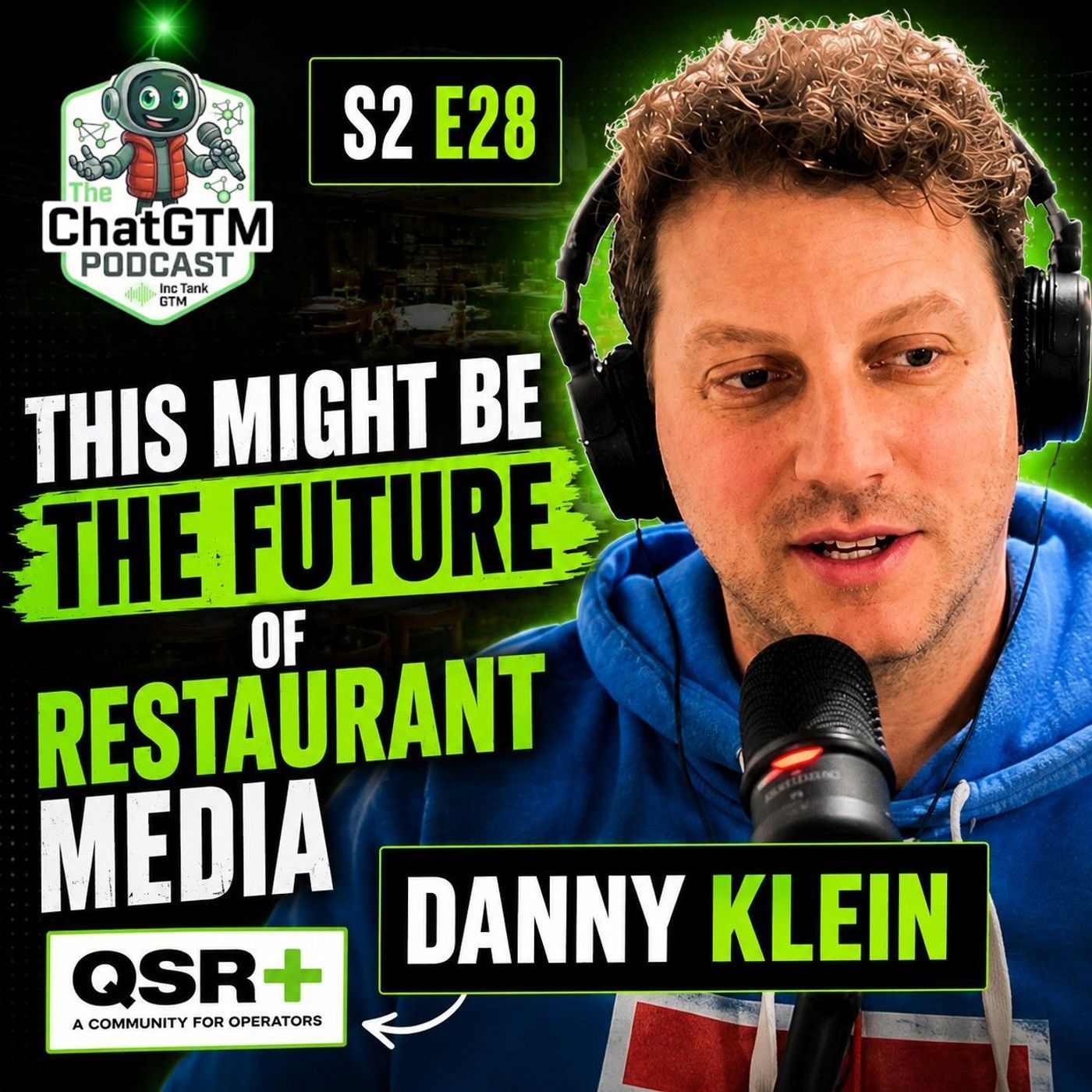
Danny Klein explores that distinction in his ChatGTM conversation with Michael Beck and Chad Horn. The restaurant media leader describes the early development of QSR+, a community built around operator-to-operator exchange. At the time of the recording, it was a new experiment, and he was candid about what he was learning.
The most active part, in his account, was the WhatsApp conversation. Members were exchanging referrals, comparing experience and finding people they could contact directly. The value came from making a useful question easier to ask and putting it in front of people willing to answer.
Build around the access people are missing
Klein traces part of the idea to a conversation with Michel Falcon about the value of other business communities and the need for one focused on restaurant operators. That helped shape an offering with content, group conversation and calls featuring industry experience.
Klein expected the peer interaction to matter more than exclusive articles. He already published substantial free content through QSR and did not want the new offer to depend on implying that those existing articles were somehow less valuable. The community needed a reason to exist beyond another place to read.
That distinction is useful for anyone building a membership product. Ask what a person cannot easily do today. If the missing capability is finding a trusted peer, publishing more material may not resolve it. Content can support the relationship, but the service needs to make the desired interaction possible.
Protect the conditions for the conversation
Klein explains that he chose to keep the early community focused on operators rather than opening it to vendors. He is careful to acknowledge the expertise and generosity of many suppliers. The decision was about giving members a particular kind of space, with clear expectations about why everyone was there.
That choice also affected the business model. Charging members helped support the community without depending on supplier participation. Klein describes the fee as both a way to sustain the work and a sign that participants intended to engage. The episode captures his reasoning at launch, rather than a guarantee about current membership terms.
The lesson for a community builder is that access rules are part of the product. Exceptions made for well-liked contacts can quietly change the experience everyone else was promised. Before inviting another category of participant, consider what their presence would change about the questions people feel comfortable asking.
Reduce the distance between experience levels
One of Klein's favorite early outcomes was seeing small operators in conversation with leaders from larger or more established organizations. A person with only a few locations could ask a practical question without needing to engineer an introduction at a crowded event.
He describes members moving from the group into calls and direct conversations. That is a useful sign of a community doing its job: the shared space creates enough context for people to continue a relationship beyond it. The organizer does not need to remain the middle of every exchange.
For members, participation can be more effective when the question is concrete. Explain the situation, the constraint and the kind of experience that would help. A specific operating question gives another person a clearer way to contribute than a broad request to discuss growth. It also makes the answer more useful to people reading along.
Onboarding is where the promise becomes real
Klein is candid about the work required to help people enter the experience. A registration and an automated email did not always mean a member had found the active conversations. He describes personally following up, sharing access and making sure newcomers could see the groups relevant to them.
That effort reveals a common gap in digital products. The organization considers someone onboarded when the account exists. The customer considers the product useful when they can do the thing they came for. Those moments may be several confusing steps apart.
A community team can test that gap by following a new member from registration to the first useful exchange. Can they find the right discussion? Do they know how to introduce themselves or ask for help? Klein's early account of QSR+ suggests that the quality of the room matters, but so does helping people through the door and into the conversation.