The headset tells only part of the story
The person taking a drive-through order may also be filling a drink, talking to a guest at the window and listening to a question from the kitchen. Adam Steinman describes a job that requires several conversations and tasks to coexist. Removing one interruption could change the experience of the whole shift.
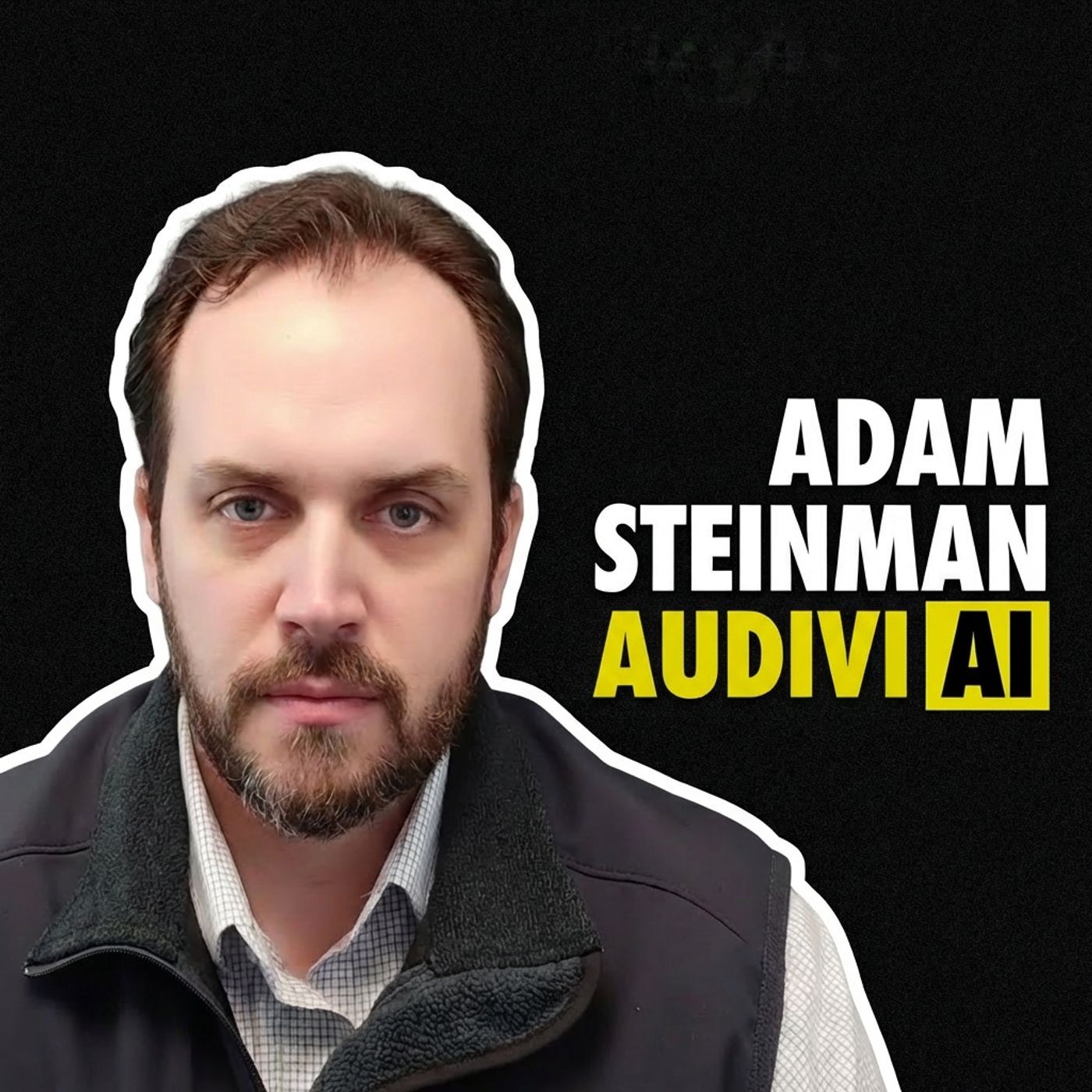
In his ChatGTM conversation with Michael Beck and Chad Horn, Steinman draws on kitchen experience, restaurant-side technology work and time on the vendor side of voice AI. His argument starts with the work employees actually perform, rather than the assumption that an order taker stands still waiting for the next car.
That perspective makes the hospitality question more concrete. If a system takes an order, what does the employee become better able to do? The answer should be visible at the window, on the line and in the guest's experience, not confined to a claim in a sales presentation.
There are three customers in the implementation
Steinman identifies three groups whose needs intersect: the brand buying the technology, the restaurant team using it and the guest interacting with it. They experience success differently. A corporate team may focus on a set of business measures while a manager worries about the next confusing exchange at the speaker.
The guest has a different assignment again. They want to place an order without unnecessary repetition or friction. They are not present to validate an implementation strategy or demonstrate patience with a pilot's learning curve.
A useful evaluation includes all three perspectives from the start. Record the business objective, the change in crew responsibilities and the experience the guest should receive. If those descriptions conflict, the project needs more operational design before it needs a broader rollout. A result that pleases one audience while burdening another is an incomplete result.
Explain the new job before switching on the new tool
Steinman describes employees asking whether the AI will behave like a general-purpose chatbot. Without clear expectations, people fill the gap with experiences and stories from elsewhere. The word AI can create a very large collection of imagined capabilities and problems.
He recommends explaining what the system is meant to do, what remains the employee's responsibility and how the interaction should behave. That preparation gives people a way to recognize normal operation and a way to respond when it goes wrong.
The training should include the handoff. Who steps in when a guest requests a person? How does the employee know intervention is needed? Where does an unusual response get reported? Those details turn a technology announcement into a usable shift procedure. They also make it easier for employees to contribute informed feedback rather than merely deciding whether they like the idea of AI.
Trust develops through ordinary, repeatable performance
Steinman describes a change he has observed as crews gain experience with a system. At first, employees listen intently to the exchanges. As the technology performs consistently, they begin incorporating it into their work and spending attention elsewhere.
That is an observation from his experience, not a guarantee that every implementation follows the same path. It does suggest what to watch during a pilot: does the tool actually free attention, or do people remain occupied checking and repairing its work? A nominally automated task can still impose considerable supervision.
The feedback loop matters here. Steinman discusses employees hearing something unexpected, stepping in and reporting the incident so it can be corrected. A good pilot makes those reports easy to capture and review. The people closest to the guest often see the edge cases before a summary dashboard makes them apparent.
Design for the menu and the person ordering from it
Real ordering conversations are less orderly than demonstrations. Guests ask questions, change direction and use different words for meals and combinations. Steinman connects his food-service background to defining how a system should clarify those choices.
The operational work is to identify where a question is necessary, where a default is appropriate and how the order will be confirmed. That requires knowledge of the actual menu and service process. A technically available system can still create a poor interaction if those decisions are wrong.
Choose a pilot review that includes accuracy, guest friction and crew workload alongside speed. Listen to the people handling exceptions and examine whether the handoff works under pressure. The most useful outcome is a restaurant in which employees can pay better attention to guests because the technology has genuinely reduced the number of competing tasks in their heads.