The conversation started with a controller
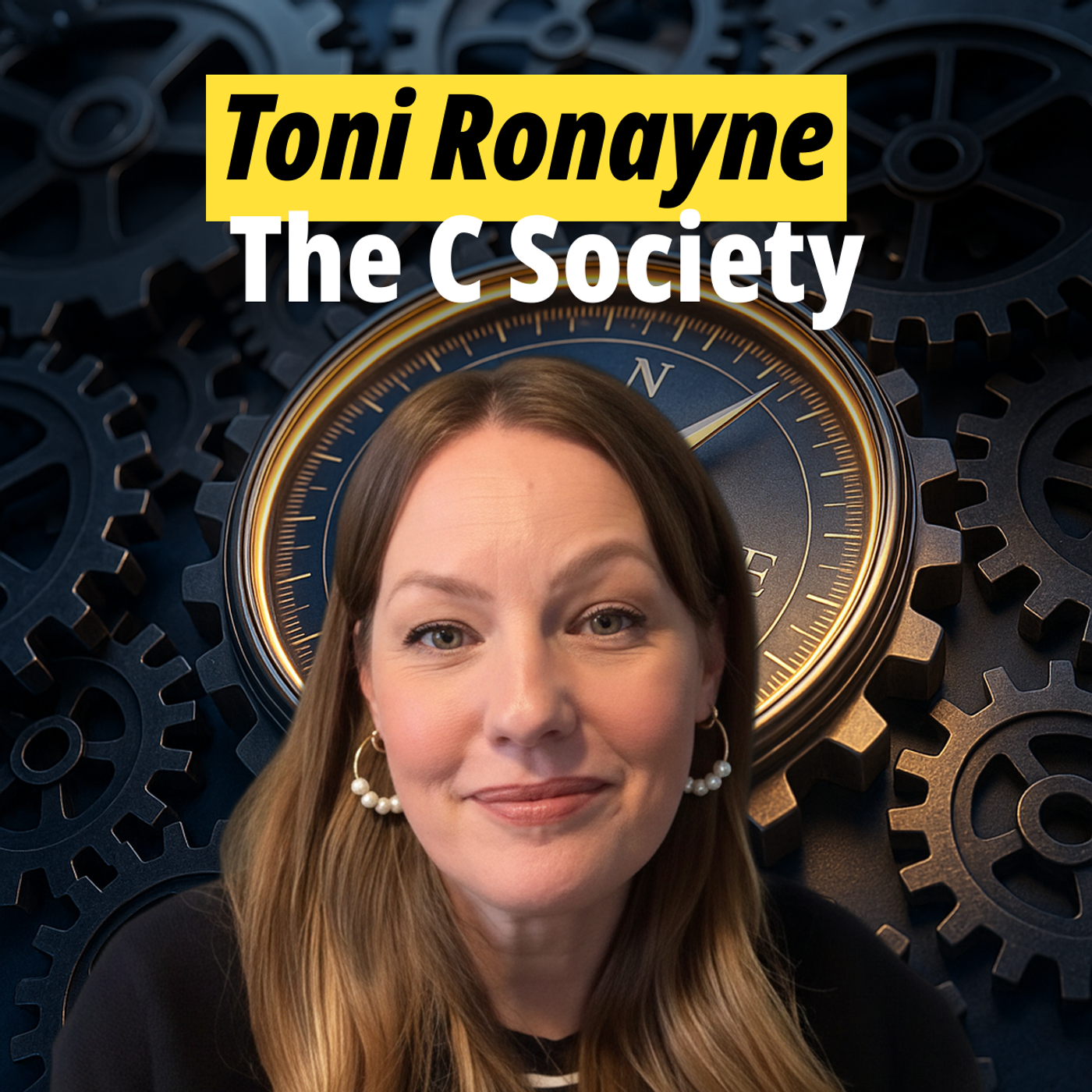
Toni Ronayne describes a business owner who expected to hire a full-time controller. As they discussed the company's needs, a different possibility emerged: a fractional CFO who could help with the immediate work while also contributing financial insight to the direction of the business.
The example is not a rule that one role should replace another. It shows the value of investigating the need before treating the proposed job title as the answer. The business may need capacity, a particular kind of judgment or a combination that its first hiring description does not capture.
In her ChatGTM conversation with Michael Beck and Chad Horn, Ronayne connects that question to The C Society, the hospitality leadership collective she founded. Her interest is in making experienced leadership available in a form that fits the business and the moment, while retaining a strong connection to the work inside the restaurant.
Operations is the part the guest eventually experiences
Ronayne's career began in operations and expanded into franchising and brand leadership. She describes carrying that operator's perspective into broader executive work. A marketing campaign may bring people through the door, but the restaurant must deliver an experience that gives them a reason to return.
That matters when a business is deciding where it needs help. A visible symptom may lead to an overly narrow assignment. A traffic problem invites a marketing discussion; inconsistent service invites a training discussion. Either may require understanding decisions and dependencies elsewhere in the company.
A useful scope begins with what the business is trying to accomplish and what is preventing it. Then ask what expertise is missing, what the existing team can own and where an experienced outside leader would have the authority to make a difference. Access to experience helps only when the work is clearly defined.
Use three sources of understanding
Ronayne describes a three-part discipline for approaching strategic problems: evaluate the data, gather feedback from people with relevant expertise and combine both with direct observation. Each source can reveal something the others miss.
A report may show a pattern without explaining its cause. An expert may recognize a familiar problem while missing an important local difference. A visit can expose how work actually happens, but one observation should not be mistaken for the whole business.
The practical application is to ask what evidence supports a proposed decision and what perspective is still absent. Before committing to a new role or initiative, review the information, speak with the people closest to the work and observe the operating context. Where those accounts disagree, the disagreement is worth investigating rather than averaging away.
Different perspectives need room to be useful
Ronayne values understanding what motivates individual people and where their strengths lie. She also talks about the difficulty of being the only dissenting voice at a leadership table. A team can contain considerable experience and still fail to benefit from it if disagreement is unwelcome.
That creates an important condition for fractional leadership. Bringing someone in for expertise means making space for findings that may challenge the original brief. Otherwise the company has purchased an outside perspective while asking it to confirm the existing plan.
Set expectations about decisions and communication early. Which questions should the leader investigate? Who will review their recommendations? What can change, and what constraints are fixed? Clarity helps both the internal team and the incoming leader understand how their contributions connect.
A collective can provide more than an introduction
When Ronayne spoke with fractional leaders, she heard that they enjoyed the work but found finding it difficult and working alone isolating. The C Society grew partly from that need for connection. Specialists could know one another, share perspective and find relevant expertise beyond their own discipline.
For a client, that network can be useful when an assignment reveals a second problem. It does not mean every engagement needs more people. It means the original leader can recognize the limit of their own expertise and help identify appropriate support rather than stretching a single role to cover everything.
Begin with the business decision in front of you. Define the outcome, the expertise required and the working arrangement that makes sense for the scope. A full-time hire may be right; a fractional engagement may fit better. The more important first step is making sure the business understands the work it is actually asking someone to do.