The acquisition started with an operating relationship
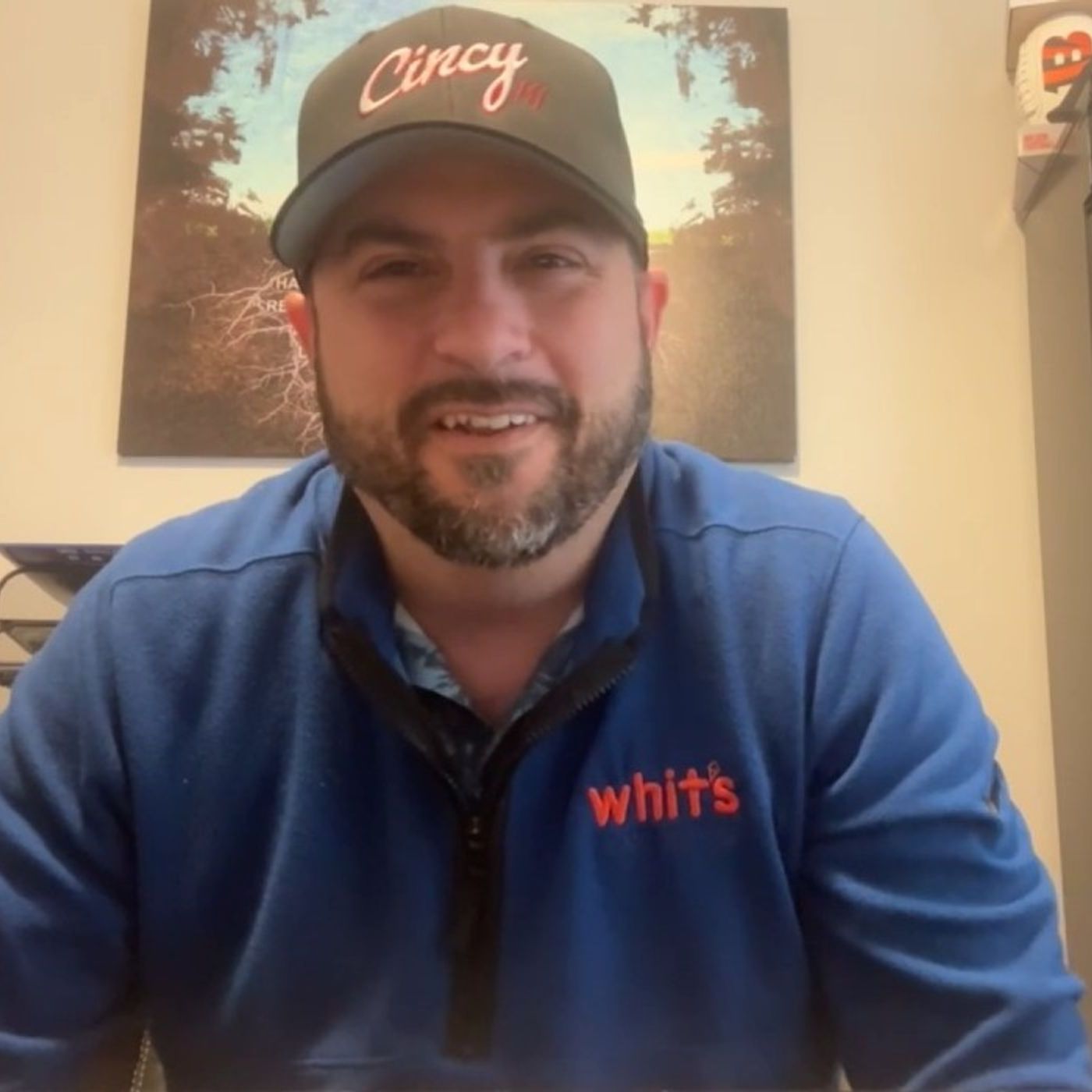
Bill Aseere encountered Whit's Frozen Custard while looking for a complementary business beside a Donatos location. He and his partner tried the product, opened a location and developed a relationship with the founding family. The conversation about buying the brand came later.
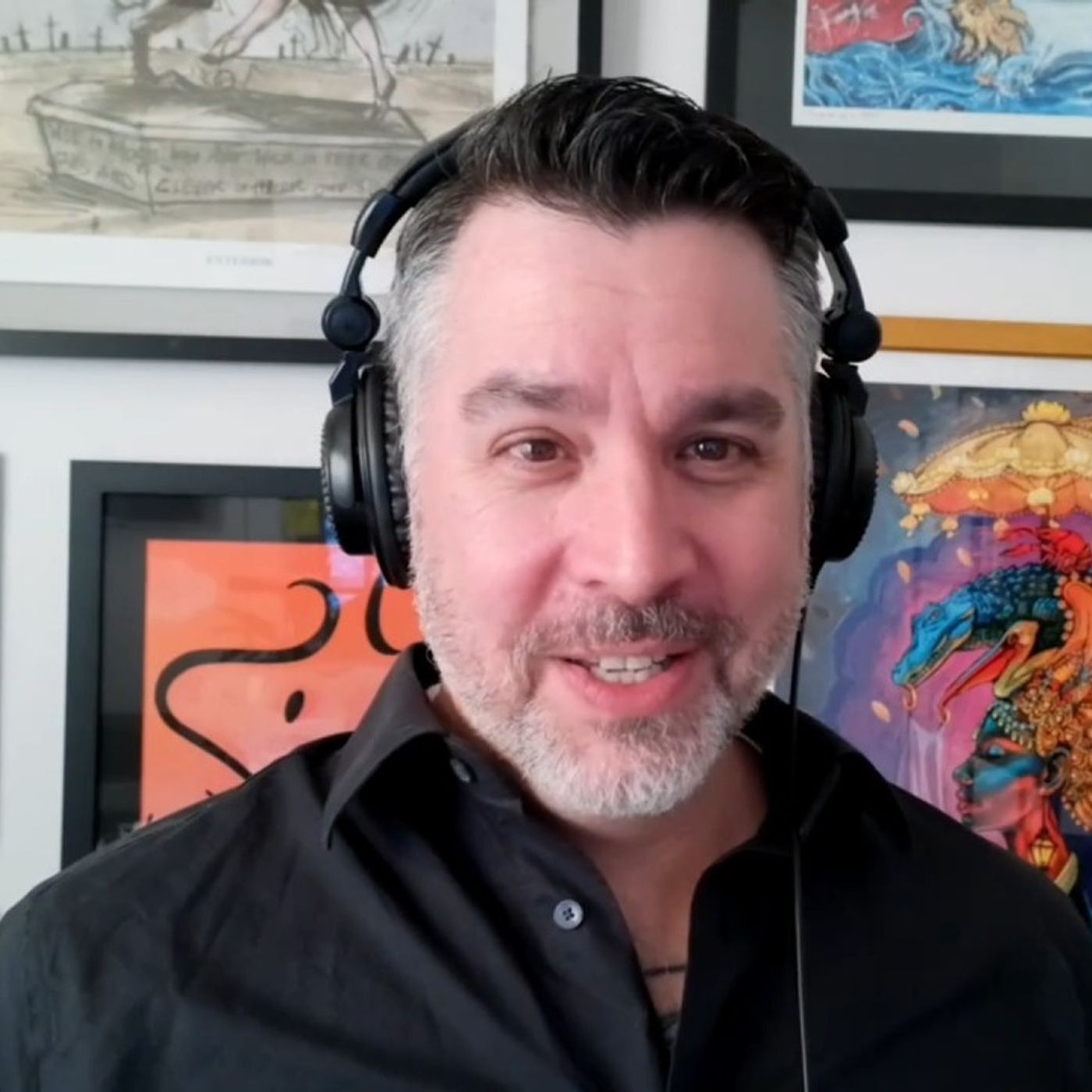
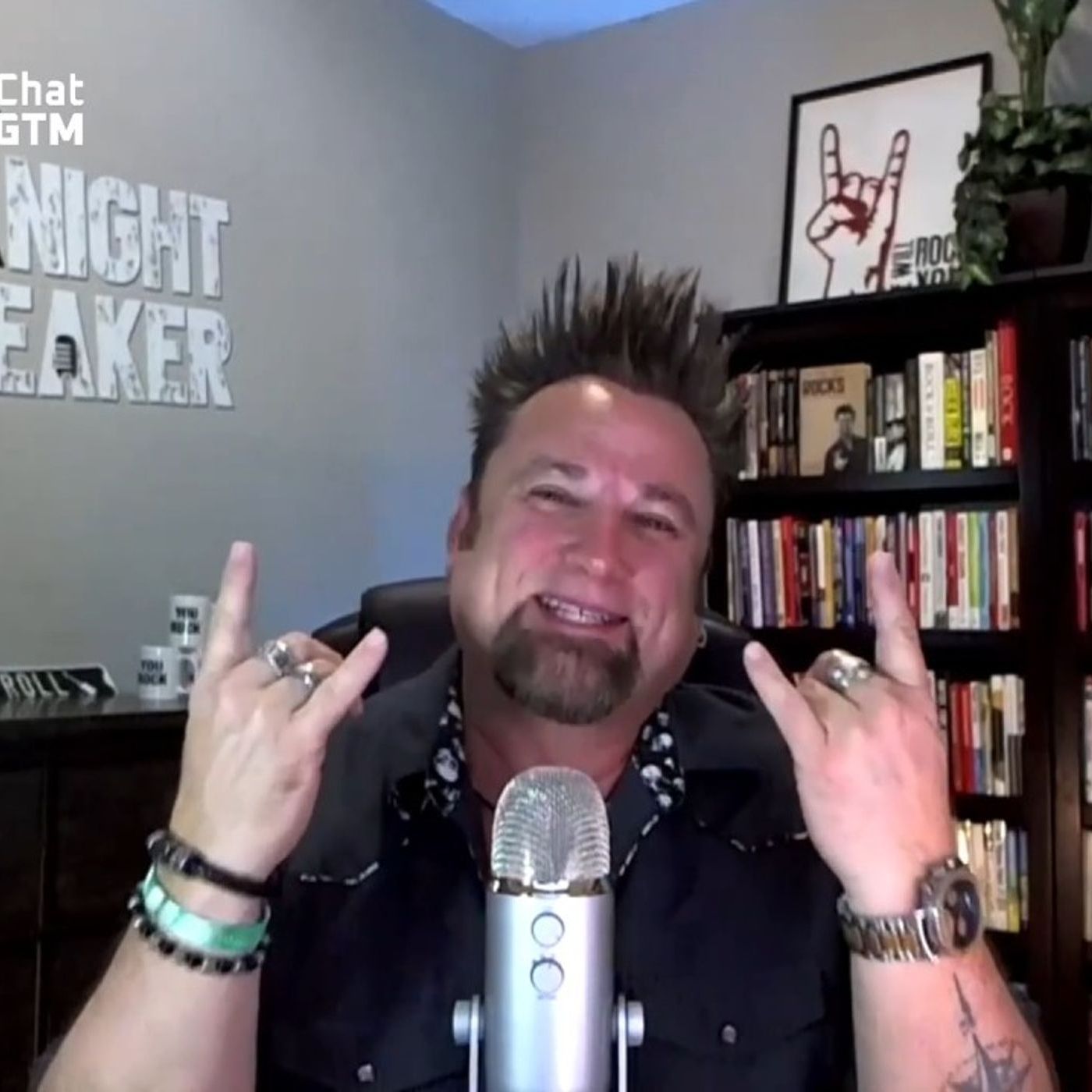
In the opening episode of ChatGTM Season 2, Aseere tells Michael Beck and Chad Horn about the period he spent working with the company before the acquisition. He helped with franchise development and got to know the people already operating its stores. That experience gave him a view of the business that extended beyond the transaction.
The useful lesson is the relationship between listening and priorities. Before taking responsibility for the system, he had heard what franchisees were dealing with. The early work could begin with those operating concerns rather than a growth plan developed at a distance.
Keep the local feeling while strengthening the shared system
Aseere describes customers being surprised to learn that Whit's was a franchise rather than a single local shop. He wants to preserve that neighborhood feeling while improving consistency and brand standards across locations.
Those aims can support one another when standardization focuses on the right work. Reliable supply, shared information and clear operating expectations can help local owners deliver the experience customers already enjoy. Uniformity becomes less useful when it erases the personal relationships that make a store part of its community.
For a growing brand, the practical question is what must be consistent and where local judgment adds value. Define those boundaries explicitly. Franchisees should understand which standards protect the customer promise and which decisions remain theirs to make in serving the neighborhood.
Fix the foundation the system has outgrown
Aseere describes a distribution arrangement that fit the brand's earlier geography but became harder to use as stores expanded farther away. He discusses work toward a national distribution relationship as one of the foundational changes following the acquisition.
He also describes multiple point-of-sale systems complicating data collection, fees and training. Moving toward a consistent platform was intended to give the company and its franchisees a clearer shared operating picture. The conversation captures that transition as it was being carried out, not a claim that every planned step was already complete.
The broader lesson is to identify the arrangements a business has outgrown without dismissing the people who helped it reach that point. A supplier or system may have served an earlier stage well. Leadership still has to examine whether it can support the next stage and explain the reason for a change to the people affected.
Use institutional knowledge rather than discarding it
Aseere talks about retaining a member of the founding family as a partner. He values the knowledge she carries about the brand, its franchisees and the difficulties encountered along the way. That history can help a new leadership team avoid repeating old mistakes.
This matters because a change in ownership can encourage a false division between the old organization and the new plan. Some processes need replacing; some knowledge deserves protection. The people who understand why a practice exists can help distinguish between the two.
Ask what an experienced team member knows that is not written down. Which past initiatives struggled? What do franchisees repeatedly ask for? Where are local differences important? Capturing those answers gives a new strategy a better chance of working in the actual system it is meant to improve.
Make current operators part of the growth story
Aseere wants existing franchisees to be successful enough to consider additional locations. His description of growth emphasizes current relationships as well as new markets. Expansion should not leave established operators wondering whether the company has moved on without them.
He also connects partner selection to community involvement. Capital alone does not establish that someone will represent the brand well. Understanding people and being connected to the local market can matter alongside operating experience.
Before the next development push, review what existing franchisees need to run their current stores better. Choose a few changes that can be explained, implemented and evaluated together. The next location is a stronger proposition when the people already inside the system can see the value of belonging to it.