By Chad Horn
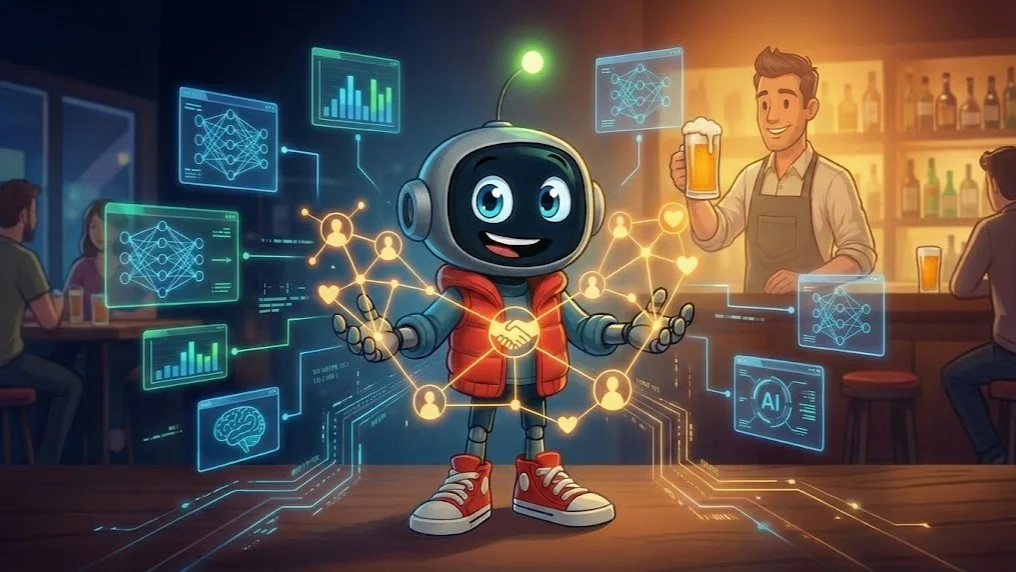
I spent an hour last week in a deep dive with two colleagues, one a seasoned networker, the other a founder building a platform in the emerging "Relationship AI" space.
The goal of this tech is noble: to systematize the "warm intro." To take the guesswork out of who knows who and map the path from Point A to Point B without the friction of a cold outreach that gets deleted in 0.4 seconds.
But as we dug into the mechanics, we hit the same wall that kills most networking tech before it ever leaves the gate.
The Path vs. The Pull
The right software, once you have it looking at all of your data and that of your close network, is incredible at showing you the path.
Relationship AI can tell you that I know Bob, and Bob knows the CEO you’re dying to talk to. It can give you the data, the "relationship score," and even an AI-generated template for the email.
But there’s a very important thing software can’t do: It can't give you the pull.
If you have the privilege of being sold to on a regular basis, you’d probably agree that most sellers operate in a constant state of “take mode”.
- "I need a meeting."
- "I need a pilot."
- "I need a referral."
Most people are so focused on what they need that they seem to forget: 99.9% of your network doesn't care about your quota. They care about their own problems.
The Bank Account Analogy
Think of your network like a bank account.
You cannot make a withdrawal if you haven't made a deposit.
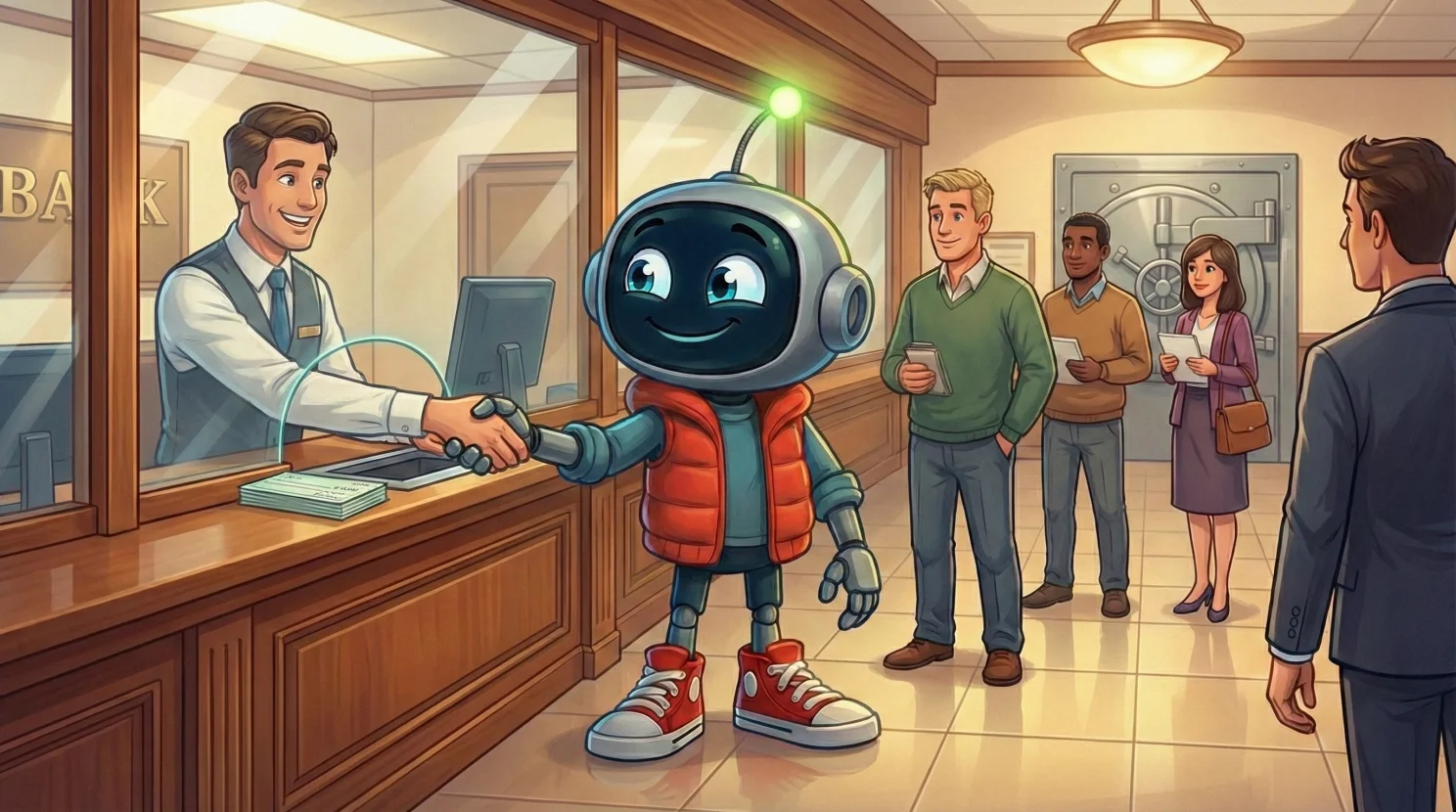
With one of these new tools, you might see a 95% "relationship strength" indicator on a screen, but if you’ve already withdrawn too much from that contact, or if you haven't put a single dollar of value into their life, that "path" is a dead end.
A lot of us get pitched constantly. A friend surfaced the best first question to ask: "Do you know what I actually do?" One out of a thousand can answer. The rest are trying to make a withdrawal from a bank they’ve never visited.
The "Bridger" Problem
The success of Relationship AI relies on "Bridgers". These are the connectors who open the doors.
But being a Bridger is a high-risk activity. If I introduce a "wacko" or a half-baked product to one of my top-tier connections, I am the one who looks bad. I am the one who loses "relational clout."
This is half the reason we spend so much time researching tech companies. We don’t want to burn anyone or our bridges.
No amount of automation or "monetary incentives" can fix a lack of trust. In fact, trying to commoditize a friendship often kills the very trust you're trying to leverage.
The Lesson for Founders and Sellers
We love to think that "more data", "better algorithms", or “AI tools” will solve all our growth problems. We want the shortcut.
But the "Networking Problem" isn't a tech problem. It’s a psychology problem.
If you want to leverage a network, you have to stop asking "How do I get what I want?" and start asking "Who or what is my connection's 'Golden Goose'?" (The one person they’d kill to meet or the problem they’re desperate to solve). Ask, then give first.
Software can map the stars, but it can’t make the stars align. Only human-to-human value can do that.
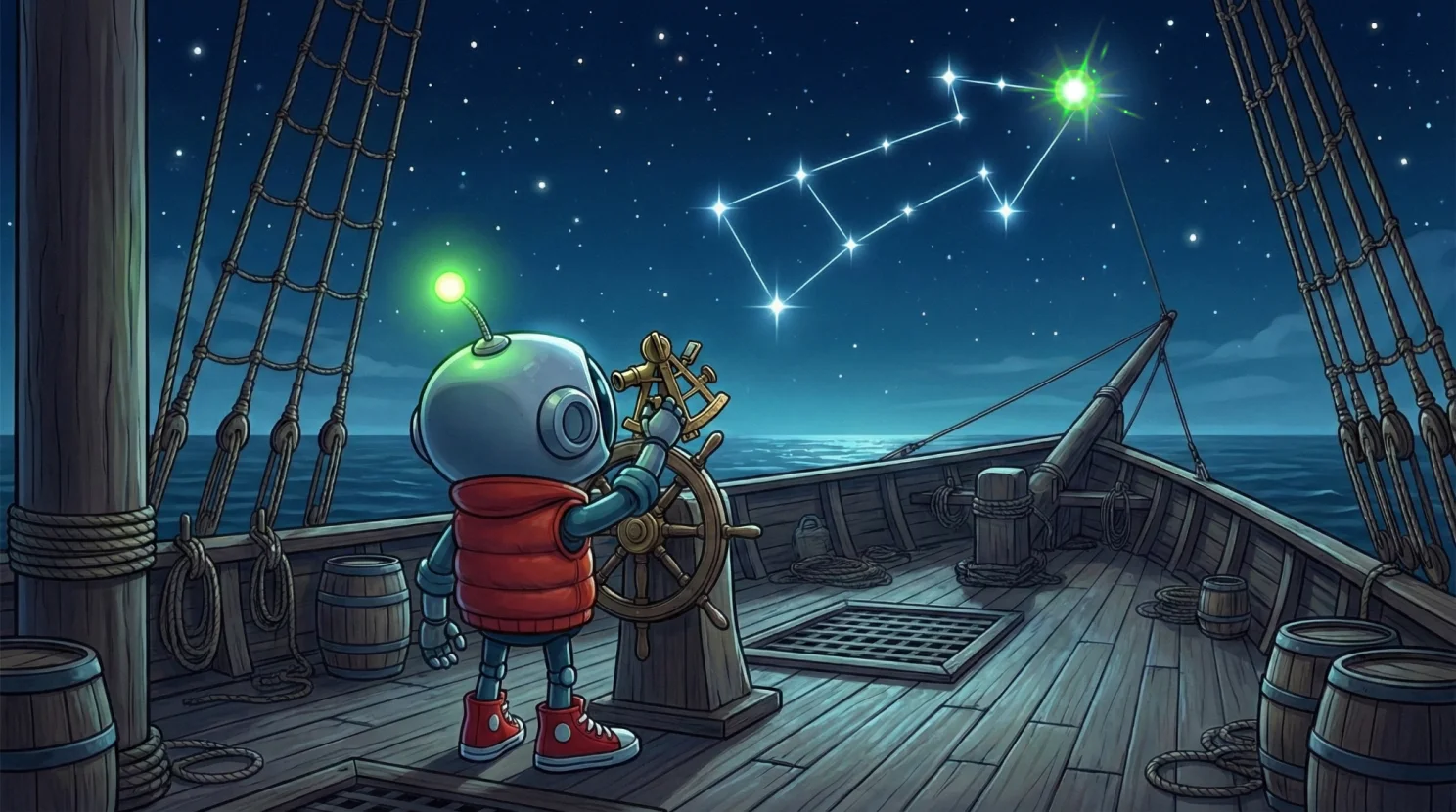
By all means, use the tools. Remove manual work. Systematize the process. But never forget that a warm intro is a transfer of trust, and trust is a currency you have to earn, not a feature you can download… for now.