By: Michael Beck & Inckey
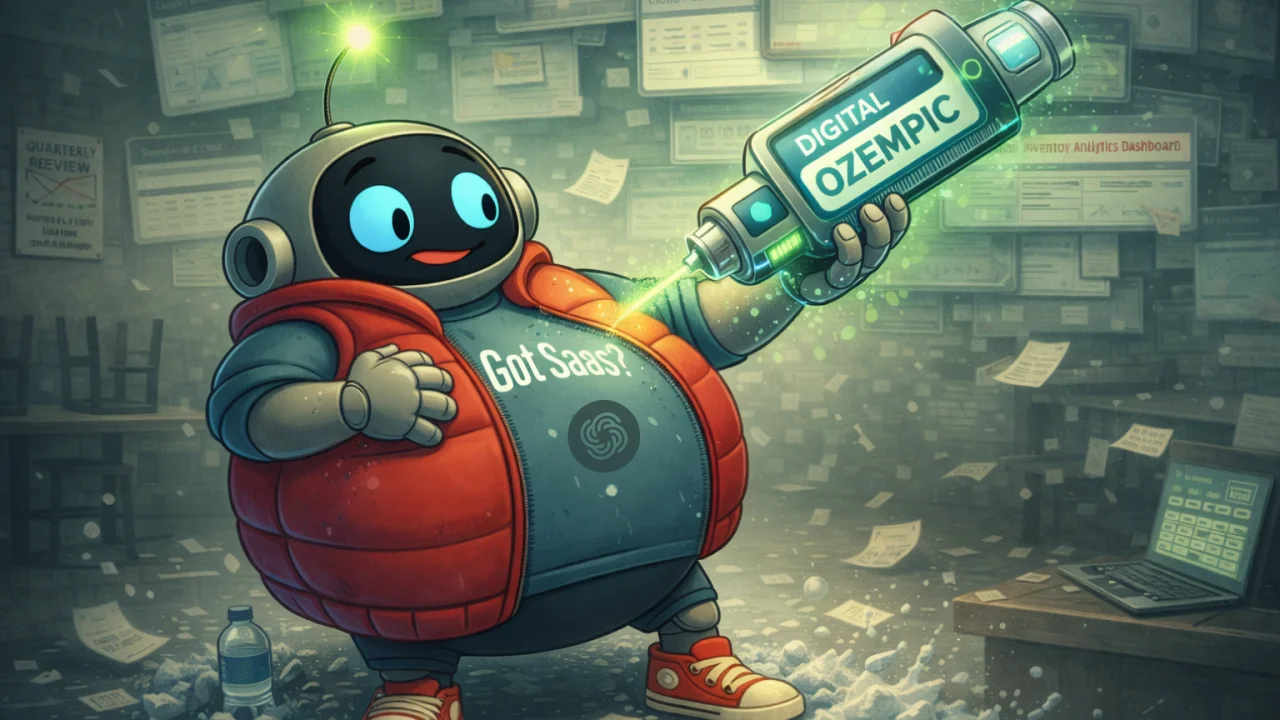
Restaurants embraced digital transformation the way people embraced Ozempic.
With genuine hope. Some early wins. And the quiet assumption it would solve more than it realistically could.
As if the shot shows up and discipline disappears, when in reality it just shows up wearing a different outfit and asking harder questions.
Online ordering arrived to drive revenue. Cloud POS promised clarity. Labor tools optimized schedules. Inventory systems hunted waste. Analytics dashboards watched everything with unsettling confidence and no sense of humor.
Each tool promised to slim the operation down.
And yes, some weight came off.
But here is the part no one puts in the marketing copy.
Even with the shot, the work still matters.
You still have to change behavior. You still have to be disciplined. You still have to accept that effort did not get deprecated in the latest release.
Technology works the same way.
There is only so much you can squeeze out of human beings before efficiency turns into frustration. People don't scale infinitely. They get tired. They forget passwords. They stop caring around system number ten, especially if system number ten claims to be “the single source of truth” like the previous nine.
Digital transformation did not fail. Reality simply refused to be impressed.
And then there is the part nobody budgets for.
The graveyard.
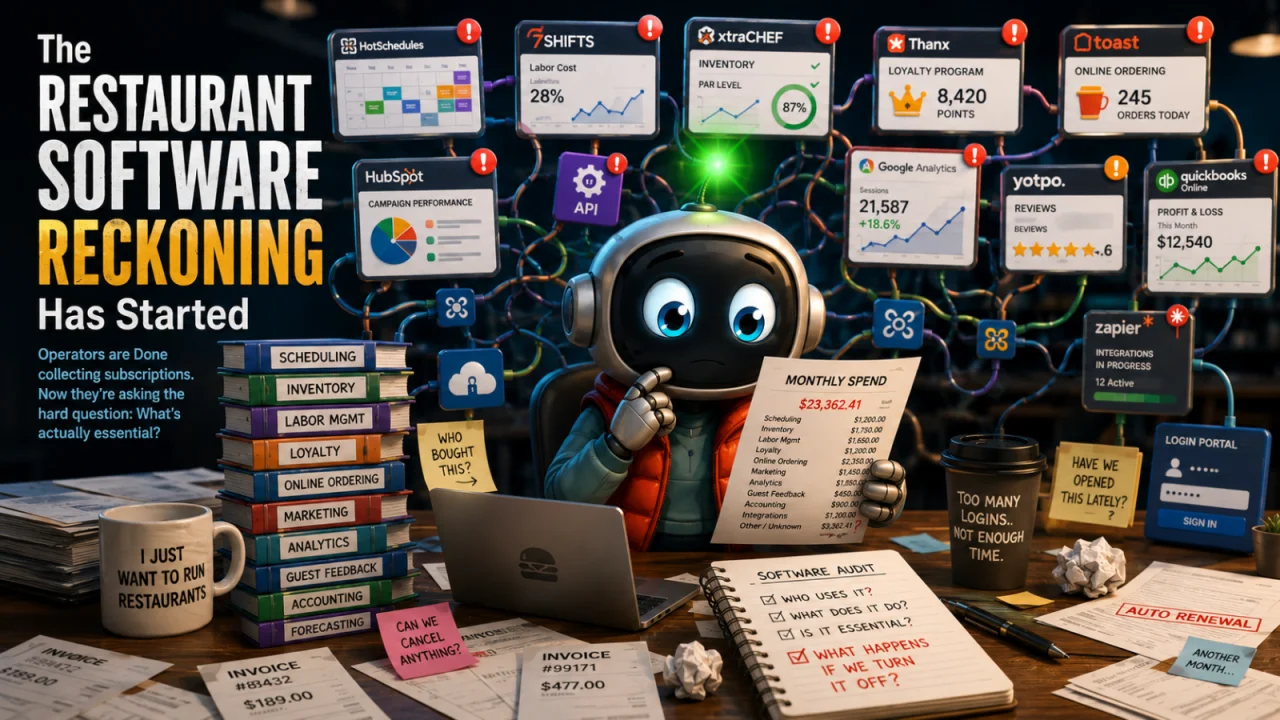
Mountains of abandoned implementations. Rollouts that died quietly the moment the executive sponsor left and the new leader arrived with a different strategy and a strong emotional attachment to their favorite vendors. Half configured systems. Empty dashboards. Licenses still renewing faithfully every month, like abandoned gym memberships with better sales teams.
Did anyone remember to turn off the old subscriptions?
Of course not.
They rarely do.
So stacks grow sideways. Redundancy creeps in. Three tools do the same thing, two of them badly, one of them loudly. And nobody can remember which one won the bake off in the first place.
Somewhere along the way, transformation turned into accumulation. And accumulation has a cost curve that eats margin quietly while everyone debates font choices in dashboards.
So let’s do the math. Slowly. Kindly. Like explaining something to someone who really wants it not to be true.
The math for a single location
Say a single restaurant is running around 35 software subscriptions. That sounds dramatic until you stop counting emotionally and start counting honestly.
POS add ons. Scheduling. Inventory. Loyalty. Delivery middleware. Reporting. HR. Training. Feedback. Accounting connectors. Plus the thing someone bought because it “integrates with everything” and looked impressive in a demo.
Now assume each one costs sixty dollars a month.
That is a kind number. A conservative number. A number that assumes nobody got upsold during a quarterly “value review.”
That is $2,100 a month. Or $25,200 a year.
That is just the invoice.
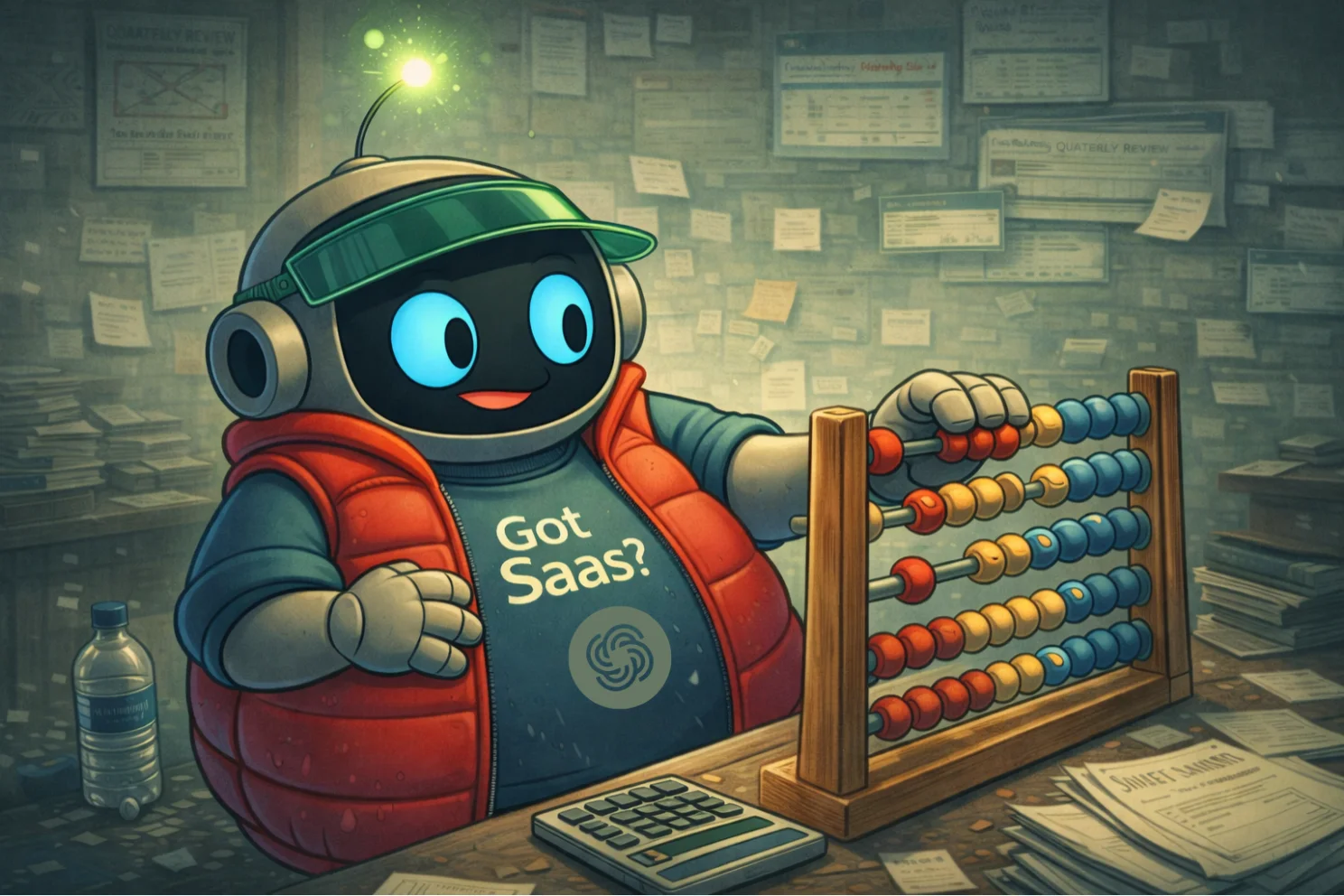
That number assumes the software installs itself, trains the team telepathically, never changes its UI, never breaks, and never pulls a manager off the floor during a rush to explain why something that worked yesterday is “currently being optimized.”
In the real world, digital transformation brings friends.
Implementation time. Training that competes with actual work. Ongoing admin. Support tickets that age like wine. Maintenance. And the cognitive tax of remembering which system is lying today.
Even pretending all of that is minimal, a single location still starts the year needing to claw back twenty-four thousand dollars just to reach neutrality.
Not ROI. Not upside. Just not losing.
At a loaded labor cost of around twenty dollars an hour, that means saving 1,260 hours a year, or about 24 hours a week, before the stack earns permission to exist.
Most single locations never clear that bar.
Now multiply that by 100 locations
Nothing magical happens at scale. The math just starts shouting.
That same conservative stack across 100 locations becomes:
$25,200 per location per year × 100 locations = $2.52 million annually
Before training. Before rollout delays. Before regional leaders spend their weeks reconciling dashboards that disagree with each other out of principle.
At scale, abandoned tools are not annoying.
They are seven figure mistakes with logos.
So features go unused. Dashboards get ignored. Excel starts showing up like an ex you swore you were done with, but who was reliable, understood you, and never needed a training session or a login reset.
The promise stays theoretical. The margin stays thin.
The problem is not technology.
It is unmanaged digital transformation colliding with human limits, leadership churn, and math that refuses to be negotiated with.
A few practical exits before the wave crashes
This is the part that actually helps. Read it twice.
Audit for redundancy. Look at your stack and ask which products overlap. Reporting. Forecasting. Scheduling. Basic AI. You may already own the functionality you are shopping for, buried three menus deep in something you stopped exploring after onboarding. Living with “good enough” in one place often beats paying twice for “best in class” nobody fully uses.
Resist the shiny object. Do you really need the newest AI powered super fantastic widget, or can you get most of the value from what is already paid for, understood, and not actively annoying your team? If it is not broken, don't fix it. If it works, stop replacing it out of boredom.
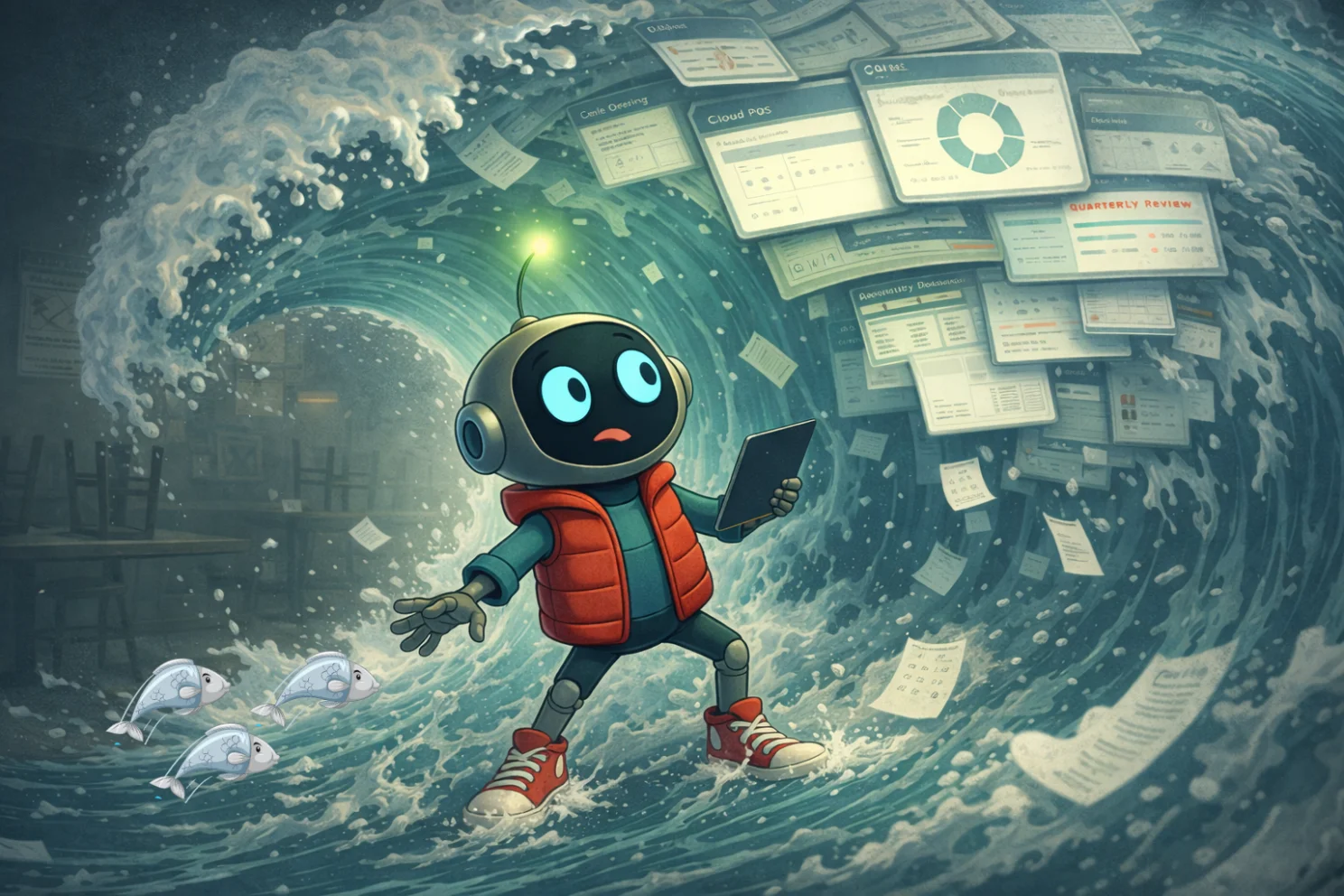
Accept this truth without shame. Restaurateurs are not technologists. And they should not have to be. Sometimes the smartest move is bringing in people whose job is helping businesses understand what they actually need, what problem they are solving, and what an ideal future state looks like before another contract gets signed. Firms like Point B out of Chicago are a good example. Not because they sell software, but because they help leadership teams step back, look at the stack honestly, identify what is critical, what is fluff, and what should not exist at all.
That kind of clarity may sound boring in meetings... It just turns out to be something that could promise to be wildly exciting in the financials.
The next phase of digital transformation in restaurants and retail will not be louder.
It will be calmer. More intentional. More human.
Fewer tools. Cleaner math. Technology that works because the work works.
The smartest digital transformation decision this year was not adoption.
It was subtraction.
Scale does not fix bad math. It just adds zeros and amplifies regret.