By: Chad Horn
Let's get brutally honest: Networking, as we knew it, is on life support, and reciprocity? Forget it. America's once-celebrated ethos of mutual support and "pay-it-forward" generosity is in tatters, replaced by a cold calculus of "what’s in it for me?"
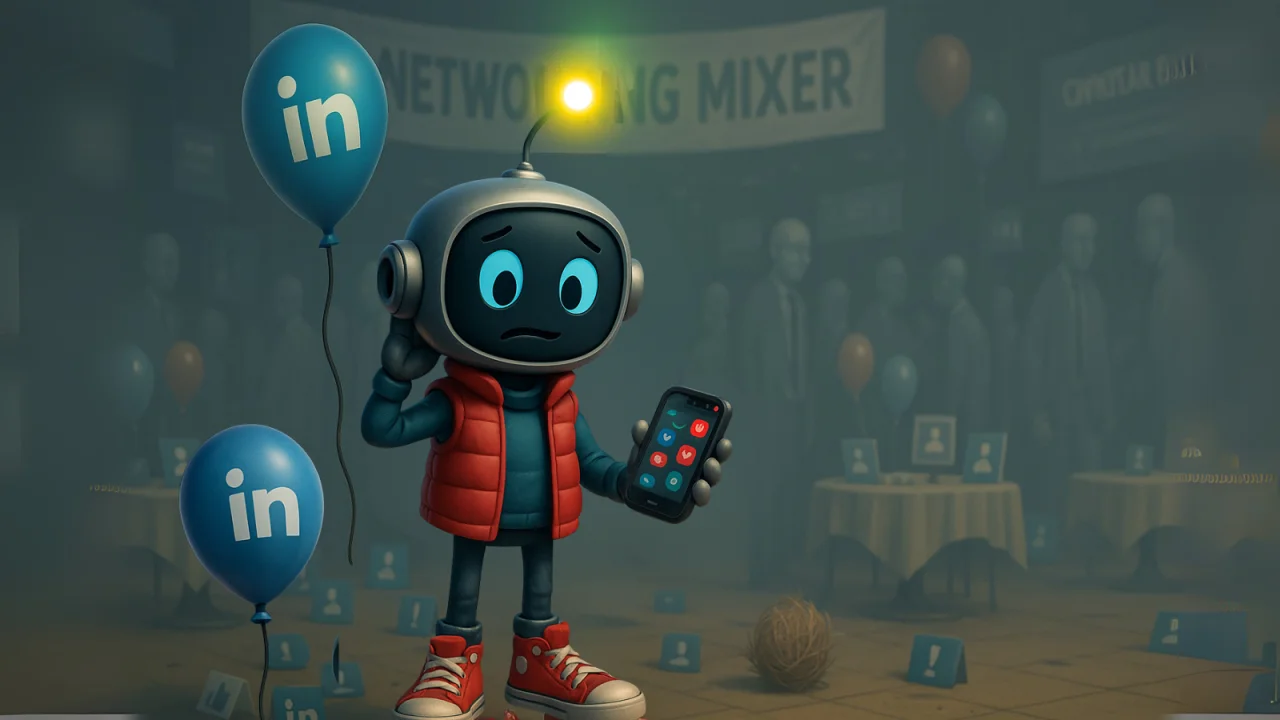
Admittedly, I am speaking less from personal experience and more from a synthesis of the shared experiences of others who have conveyed how the old social contracts of professional goodwill have collapsed into a bleak marketplace of hollow LinkedIn claps, unreturned favors, and transactional ghosting. Once-solid bridges are now toll roads, and reciprocal networking relationships are generally marked by feigned clout with little chance of actual reciprocity.
Blame it first on our cultural obsession with consumerism. Yes, consumer culture once powered American economic growth, but it also sold us on a toxic lie: that value is measured solely by immediate gratification and personal consumption. We've transformed relationships into transactional exchanges, driven by a mentality of instant reward and minimal personal investment. For too many, generosity without direct payoff appears impractical or, worse, wasteful.
Then pile on economic anxiety. When survival feels precarious, generosity isn't just risky, it's economically irrational. Networking isn't about building genuine relationships anymore. It's about short-term tactical maneuvers to protect fragile livelihoods. Who dares invest trust or resources without guaranteed returns in a society where layoffs frequently blindside the loyal, gig work masquerades as opportunity, and entire businesses can vanish with a single earnings call, regulation update, or AI evolution.
And don’t overlook the role of digital culture, where relationships are measured in followers and "likes," not depth or trust. Social media offers connections without commitment and interaction without empathy. Relationships reduced to quick swipes and convenient taps can't nurture real reciprocity; they're transactional junk food that leaves society emotionally malnourished. The rise of remote work is surely fuel for the fire.
While sometimes I wonder if this is a uniquely “American” illness, we know that’s not the case. Many societies are surely infected with the same consumer-driven transactional mindset. Global forces condition people to prioritize immediate gratification and consumption above communal well-being. Yet, we know the inverse exists today, from the robust southern church networks rallying around members in need, to immigrant families pooling resources to launch businesses or cover tuition, or to neighborhood mutual aid groups that surged during the pandemic. No, community and reciprocity still thrive in certain pockets, highlighting how profoundly consumer culture has shaped our broader societal interactions.
America might amplify the symptoms, but the decline in genuine reciprocity is a global pandemic driven by consumerism, technological alienation, economic insecurity, and a myriad of other factors I’ll leave to socialists to identify. Reversing this erosion isn't about nostalgia; it demands cultural revolution: valuing trust, altruism, and long-term investment over instant gratification. Until we confront the root of transactional selfishness head-on, networking, for many, will remain nothing more than strategic exploitation masked as "relationship-building."
Now, how does one navigate a business landscape where trust feels risky, generosity is equated with naïveté, and networking often devolves into a performance? We’ll come back to that with the lessons we have learned personally, in an upcoming article. Until then, keep your generosity sharp and your bullshit radar sharper.