Ignoring the Warning Lights: Why Leaders Must Listen Before It’s Too Late
Running a business without listening to the truth-tellers on your team, the people who are both able to see the issues with the company’s reality and are willing to share, is like driving a car while ignoring the warning lights on the dashboard. Sure, the engine sounds fine for now, and the ride feels smooth enough, but beneath the hood, something is failing. The oil is low, the brakes are wearing thin, and that little blinking light isn’t just a suggestion. It’s a warning. Ignore it long enough, and you’ll find yourself stranded, or worse, wrecked. In the restaurant industry, whether serving guests or serving brands, our unique challenges mean a reduced margin of error. Whereas you might get several more miles to adjust in another industry, here you must proceed directly to the auto shop.
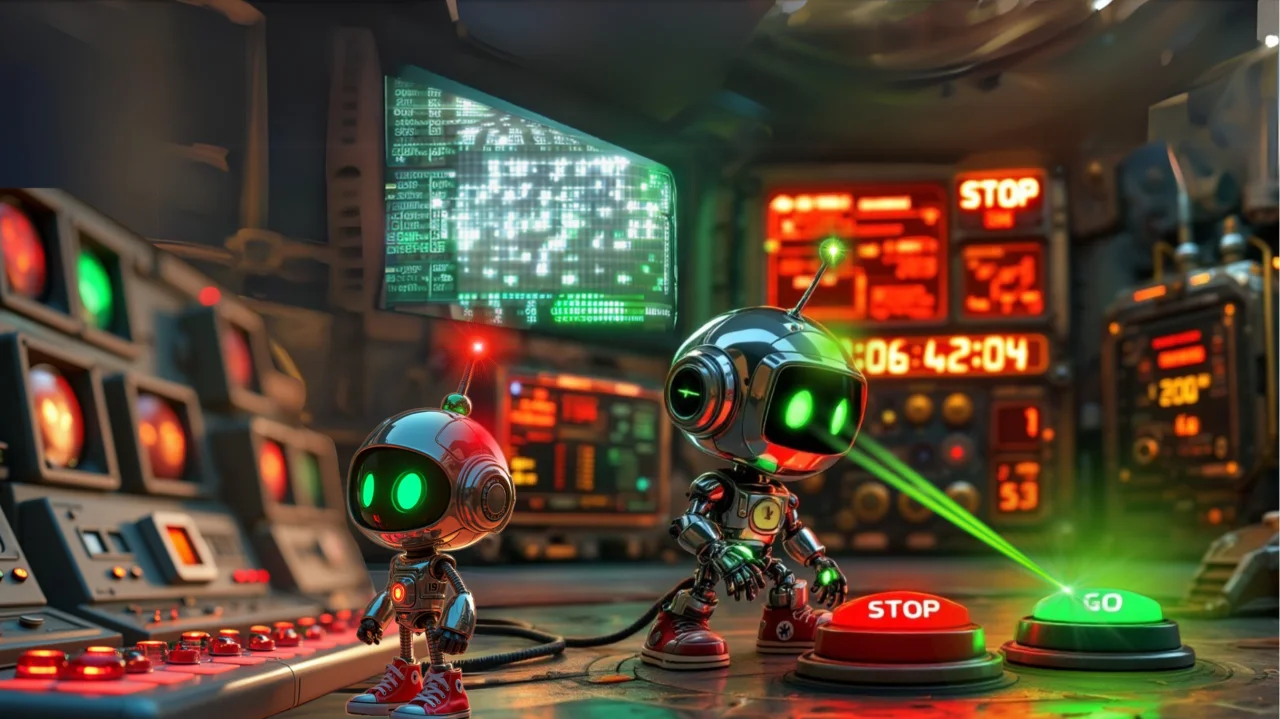
Every organization has its warning lights, people who see the problems before they become disasters. They’re the ones who speak up when something isn’t working, who tap on the glass and say, ‘Hey, there’s a crack forming here.’ In our industry, these are the people who are saying ‘AI is going to make us obsolete’ and can explain how, or they’re the people that are showing how the company failed to return an ROI on last year’s marketing effort and are recommending changes to budget and strategy.
These truth-tellers aren’t trying to be difficult; they’re trying to keep the engine from seizing. The best leaders recognize them for what they are: mechanics who see the underlying issues before anyone else does. But too many executives - including many who have stacked some serious wins up to this point - would rather turn up the radio than hear the uncomfortable truth.
There’s a reason so many businesses crash and burn. The leaders at the wheel often succumb to various cognitive biases, which could be the subject of another article. They may surround themselves with people who tell them everything is fine, even when the warning lights are flashing red. They ignore those analysts, frontline workers, and dissenting voices who see the risks up ahead. They convince themselves that as long as the car is moving, there’s nothing to worry about. Then suddenly, they’re skidding off the road, wondering what went wrong.
History is littered with the wreckage of businesses that ignored their warning lights. While people will have heard the stories of companies like Blockbuster, who dismissed digital streaming as a gimmick, or BlackBerry who missed out on the smartphone revolution, this dynamic is also one that can derail the present-day disruptors - the ones that have the potential for greatness, but could also fail if their leaders ignore the signals, those who see what is breaking, and those voices that try to warn them.
The best leaders don’t just listen to the people who make them feel comfortable. They listen to the ones who challenge them. Simon Sinek reminds us that leadership isn’t about being the smartest person in the room, it’s about creating an environment where the smartest people are heard. That means respecting and seeking out the mechanics, the ones who see the warning signs before disaster strikes.
So how do you avoid running your business into the ground?
First, pay attention to your warning lights. Whether it’s an employee flagging inefficiencies, a customer raising concerns, or a market shift threatening your model, these signs exist for a reason. Ignore them at your own risk.
Second, empower the right mechanics. Give the truth-tellers in your company the authority to speak up, and the assurance that they won’t be penalized for it. The best mechanics don’t just diagnose problems; they help fix them. This isn’t a license to call to give a platform to people who are abrasive with the truth, but if you’re good people stop speaking up, it’s not because the problems have disappeared. It’s because they’ve realized no one is listening.
Finally, stop pretending everything is fine when it’s not. Business leaders who refuse to acknowledge problems are the ones most blindsided by them. The road ahead isn’t always smooth, but if you keep your eyes open, listen to the mechanics, and pay attention to the warning lights, you won’t just avoid disaster, you’ll stay in the race for the long haul.
Because in the end, the truth doesn’t care whether you choose to see it. It’s coming either way. The question is: will you see the warning lights in time, or will you wait until the engine dies?